arizona Chapter logo
Home

Protect Baaj Nwaavjo I'tah Kukveni - Ancestral Footprints of the Grand Canyon and other national monuments!

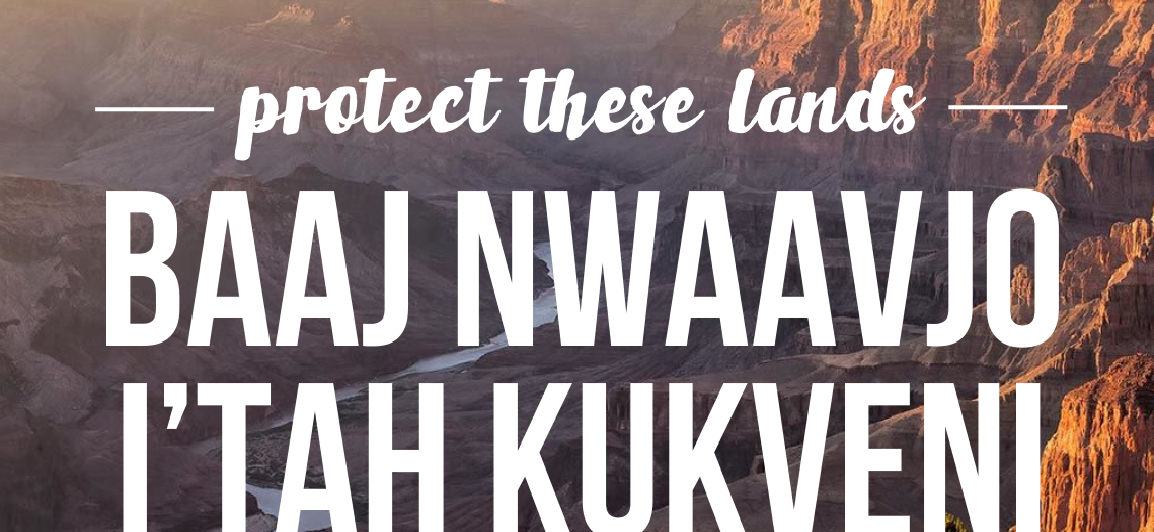
Copy of Baaj Nwaavjo I'tah Kukveni (6).png

The Antiquities Act, signed into law in 1906, gives the president the authority to protect valuable public lands for conservation purposes by designating them as national monuments. To date, 18 presidents have designated more than 130 national monuments. They vary in size and reasons for designation, and the management of each national monument is unique, based on the language used in the proclamation establishing the monument. Several recent monuments have co-management provisions with Tribal Nations

For more than one hundred years, presidents have sought to protect some of our most spectacular public lands by proclaiming them as national monuments. Ten presidents have used the Antiquities Act to protect a diversity of Arizona landscapes. President Theodore Roosevelt was the first, designating Petrified Forest and Grand Canyon long before Congress made them national parks. 

Congress passed the Antiquities Act in 1906 to help protect artifacts, prehistoric sites, cultural sites, and other historic landmarks on our federal public lands. The Act also included protection of "objects of scientific interest," a key provision that has helped to protect many important natural areas over the years, including in Arizona.

Our most recently designated national monument is the Baaj Nwaavjo I’tah Kukveni – Ancestral Footprints of the Grand Canyon National Monument. The monument safeguards nearly one million acres surrounding the iconic Grand Canyon National Park from new uranium mining claims. The monument enjoys widespread bipartisan public support in Arizona and backing from Tribes, businesses, governments, elected officials and conservation groups. It harbors sacred sites, like Red Butte, and its diverse ecology includes federally protected species like California condors and species of plants and animals found nowhere else on Earth. 

Designated by President Joe Biden in 2023, it was originally proposed by the Grand Canyon Tribal Coalition, including 14 Tribal Nations, and preceded by a 2012 mineral withdrawal safeguarding the region and Grand Canyon’s aquifers and springs from new uranium mining.

Please sign this petition to encourage Secretary of Interior Doug Burgum to keep these monuments protected. We will send a copy of the petition and the signatures to Arizona's two U.S. Senators, as well.


1163

signatures of 0 goal

Continue
Your Message
Please Keep Baaj Nwaavjo I'tah Kukveni - Ancestral Footprints of the Grand Canyon and other national monuments protected
Hand drawn downward pointing arrow
Personal messages make a big impact on decision makers. Please add a note about why this issue matters to you!

1000 characters remaining

Dear Secretary Burgum: For more than one hundred years, presidents have sought to protect some of our most spectacular public lands by proclaiming them as national monuments. Ten presidents have used the Antiquities Act to protect a diversity of Arizona landscapes. President Theodore Roosevelt was the first, designating Petrified Forest and Grand Canyon long before Congress made them national parks. Congress passed the Antiquities Act in 1906 to help protect artifacts, prehistoric sites, cultural sites, and other historic landmarks on our federal public lands. The Act also included protection of "objects of scientific interest," a key provision that has helped to protect many important natural areas over the years, including in Arizona. Our most recently designated national monument is the Baaj Nwaavjo I’tah Kukveni – Ancestral Footprints of the Grand Canyon National Monument. The monument safeguards nearly one million acres surrounding the iconic Grand Canyon National Park from new uranium mining claims. The monument enjoys widespread bipartisan public support in Arizona and backing from Tribes, businesses, governments, elected officials and conservation groups. It harbors sacred sites, like Red Butte, and its diverse ecology includes federally protected species like California condors and species of plants and animals found nowhere else on Earth. Designated by President Joe Biden in 2023, it was originally proposed by the Grand Canyon Tribal Coalition, including 14 Tribal Nations, and preceded by a 2012 mineral withdrawal safeguarding the region and Grand Canyon’s aquifers and springs. Please reject any efforts to pare back Baaj Nwaavjo I’tah Kukveni – Ancestral Footprints of the Grand Canyon National Monument and other national monuments here in Arizona and across the country. These national monuments are part of an important legacy to our children and their children and should be kept intact to protect our waters, cultural values, ecological resources, and more. Thank you for your consideration.

By taking this action to protect the planet, you are affirming you want to receive regular Sierra Club communications and may vote on policy designated by the Sierra Club Board.

Privacy Policy Your Privacy Choices Cookie Policy Terms & Conditions

Sierra Club® and "Explore, enjoy and protect the planet"® are registered trademarks of the Sierra Club. ©Sierra Club 2025. The Sierra Club Seal is a registered copyright, service mark, and trademark of the Sierra Club.